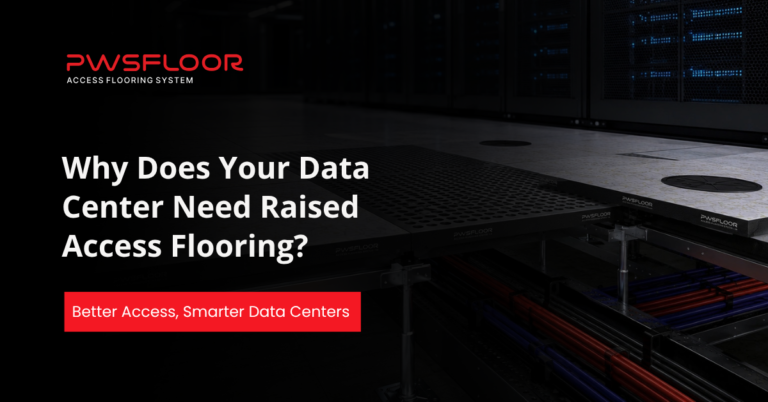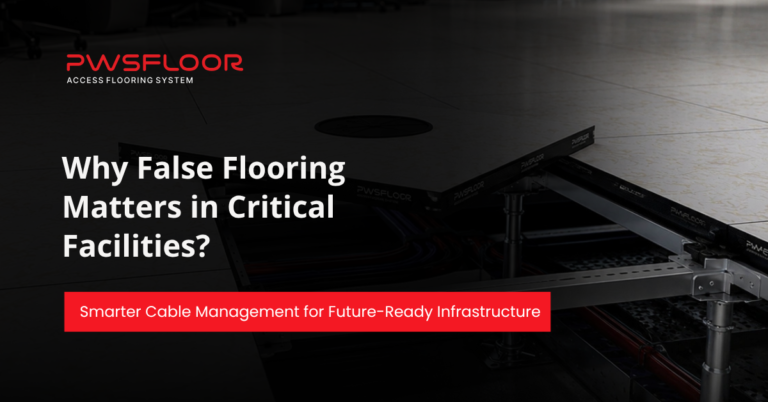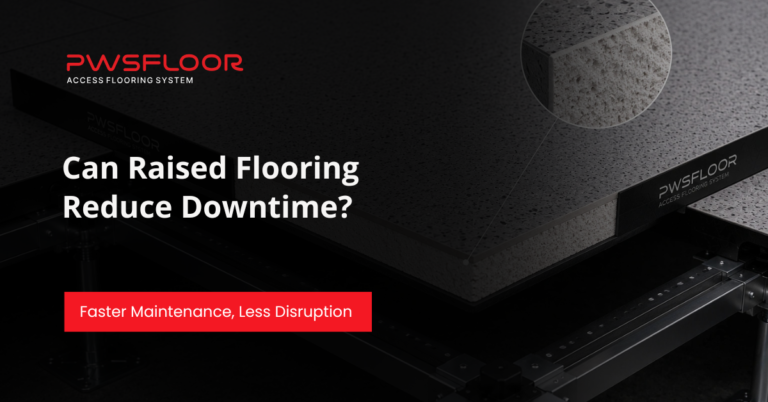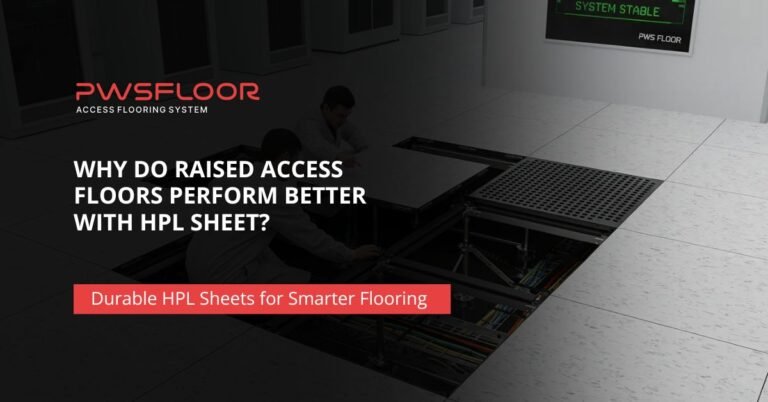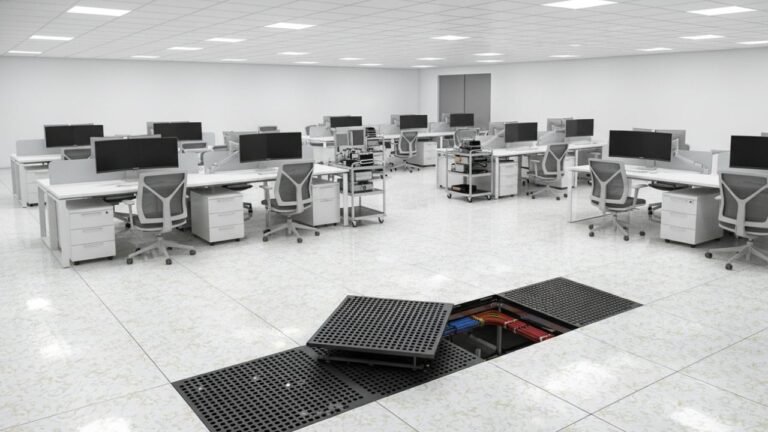
Raised flooring also known as False flooring is widely used in data centers, control rooms, server rooms, offices, and other technical spaces. It creates an open space beneath the floor panels, allowing cables and other services to be organised without disturbing the main floor surface.
But have you ever wondered what keeps these floor panels in place? One of the most important parts of a raised flooring system is the floor pedestal. Although it is not visible after installation, it plays a major role in supporting the entire floor structure.
Let’s understand what floor pedestals are, how they work, their main components, and why they are important for a reliable raised access flooring system.
What Are Floor Pedestals?
Floor pedestals are vertical support units used to hold raised access floor panels above the original concrete floor. They are generally made from strong metal materials and are installed at specific points to create a stable base for the flooring panels.
Each pedestal supports the floor panel at its corners or designated support points. The height of the pedestal can be adjusted according to the required floor level and the space needed underneath.
This arrangement creates an accessible area below the finished floor, commonly known as the underfloor space or service void. It can be used to route electrical cables, networking wires, and other building services.
In simple terms, floor pedestals act as the foundation of a raised flooring system.
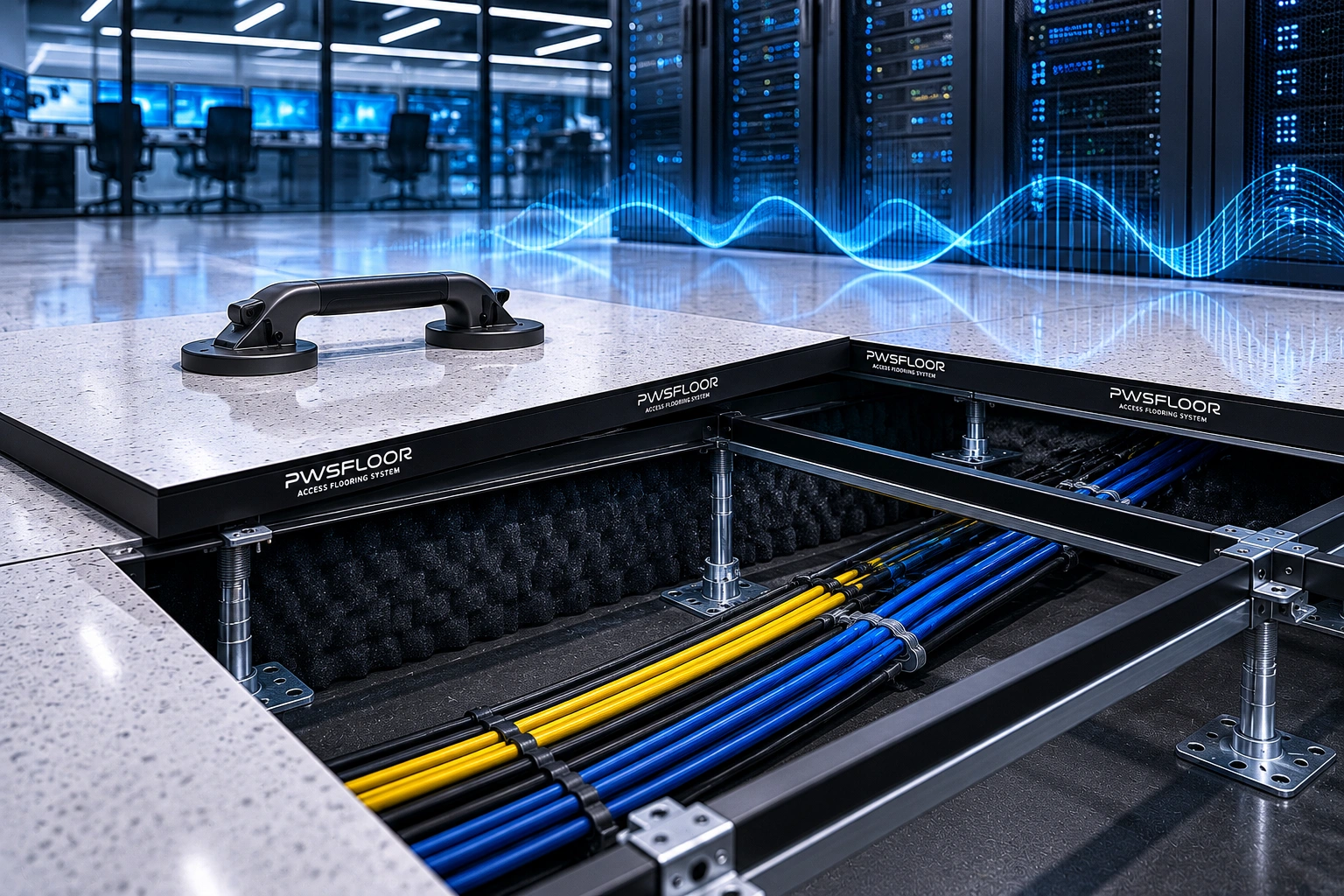
How Do Floor Pedestals Support Raised Flooring?
Floor pedestals provide the support needed to keep raised floor panels level, stable, and properly positioned. They are installed in a planned grid pattern based on panel dimensions and the required floor load.
Here is how they work:
1. Creating the Required Floor Height
Pedestals raise the floor panels above the existing concrete surface. Their height can be selected or adjusted to create the required underfloor space for cables and other services.
2. Supporting Floor Panels
Each pedestal provides support to the flooring panels at their designated connection points. This helps distribute the load and keeps the panels in position during regular use.
3. Maintaining a Level Surface
Adjustable pedestals help installers achieve an even floor height across the room. Proper levelling is important because uneven panels can affect safety, movement, and equipment placement.
4. Providing Space for Cable Management
The gap between the original floor and the raised panels creates a service area. Cables can be routed through this space, helping keep the visible floor clear and organised.
5. Improving Floor Stability
When installed correctly, pedestals help reduce unwanted movement and provide a stable base for the panels. Their performance depends on proper spacing, installation, panel compatibility, and load requirements.
What Are the Main Components of a Floor Pedestal?
A floor pedestal system generally includes several parts that work together to support the raised floor.
Pedestal Base
The base sits on the existing concrete floor and provides a stable foundation for the pedestal. It helps distribute the load onto the supporting surface.
Pedestal Head
The head is the upper part of the pedestal where the floor panel rests. Its design depends on the type of raised flooring system being installed.
Adjustable Stem
The stem connects the base and head. It allows the installer to adjust the pedestal height to achieve the required finished floor level.
Locking Mechanism
Some pedestal systems include a locking arrangement to help secure the selected height and reduce the risk of unwanted adjustment.
Stringers (Where Required)
Stringers are horizontal connecting members fitted between pedestals in compatible flooring systems. They help connect the support structure and improve lateral stability.
Not every raised flooring system uses stringers. The choice depends on the system design, panel type, and load requirements.

What Are the Different Types of Floor Pedestals?
Different projects require different pedestal arrangements. The selection depends on the floor height, panel material, expected load, and installation requirements.
Adjustable Floor Pedestals: These allow installers to change the height to achieve the required floor level. They are useful when the finished floor needs to accommodate different service-space requirements.
Fixed-Height Pedestals: These are designed for a specific height and are used where the required floor level is already established.
Stringer-Based Pedestals: These are designed to work with horizontal stringers that connect individual pedestal supports. They are used in systems where additional structural connection is required.
Heavy-Duty Floor Pedestals: These are selected for applications with higher load requirements, such as certain data centers and industrial facilities. Their suitability should always be checked against the project’s load specifications.
Where Are Floor Pedestals Commonly Used?
Floor pedestals are used in several types of buildings where an organised underfloor space is needed.
Data Centers: They support raised floor panels while providing space for cable routing and other services.
Control Rooms: They help create an organised flooring arrangement for technical equipment and operator workspaces.
Server Rooms: They provide an accessible space beneath the floor for managing network and electrical cables.
Commercial Offices: They make it easier to manage power and communication cables, especially in flexible workspaces.
Industrial Facilities: They can be used in suitable technical areas where raised flooring is required for service access.
Why Are Floor Pedestals Important in False or Raised Flooring?
Floor panels alone cannot create a complete raised flooring system. They need a strong and properly installed support structure to remain at the correct height.
Floor pedestals help maintain floor alignment, support the panels, and create useful space for underfloor services. They also make it easier to access cables and carry out maintenance without disturbing the entire floor.
For a successful installation, pedestal selection should match the panel system, floor height, and expected load. Proper planning and installation are equally important.
Conclusion
Floor pedestals may be small components, but they perform an important job in every compatible raised access flooring system. They support the panels, maintain the required floor height, and create space for organised cable management.
Whether you are planning flooring for a data center, control room, server room, or commercial building, selecting the right pedestal system is an important part of the project. PWSFloor offers raised access flooring solutions for spaces that require practical underfloor access and organised technical infrastructure.
Why PWS Floor?
In mission-critical environments, flooring is more than just a surface to walk on. False Flooring can play an important role in keeping cables organized, improving accessibility, and making future upgrades easier. From data centers and control rooms to airports and power facilities, a well-designed Raised Floor System provides the flexibility these spaces need.
Choosing the right False Flooring Tiles and working with an experienced False Flooring Manufacturer can help ensure the system meets the facility’s operational and load requirements. With the right Access Flooring solution, businesses can create infrastructure that is easier to maintain today and better prepared for tomorrow.
Frequently Asked Questions (FAQ)
What is the main purpose of a floor pedestal?
The main purpose of a floor pedestal is to support raised floor panels above the original floor. It also creates an underfloor space for electrical cables, networking wires, and other services.
What materials are used to make floor pedestals?
Floor pedestals are commonly manufactured using metal materials such as steel. The material and finish depend on the flooring system, load requirements, and installation environment.
Are floor pedestals adjustable?
Yes, many raised flooring systems use adjustable pedestals. They allow installers to set the required floor height and create enough space beneath the panels for building services.
Do all raised flooring systems require stringers?
No. Some raised flooring systems use stringers to connect the pedestals, while others use pedestal designs that support panels without them. The requirement depends on the system design and project specifications.
How do I choose the right floor pedestal for my project?
Consider the required floor height, expected load, panel size, pedestal material, and installation conditions. It is also important to check compatibility with the selected raised access flooring system.