Data centers need more than just a strong floor. They require a reliable flooring system that supports heavy equipment, keeps cables organised, and allows easy access for maintenance. As businesses depend more on digital services, choosing the right flooring has become an important part of data center planning.
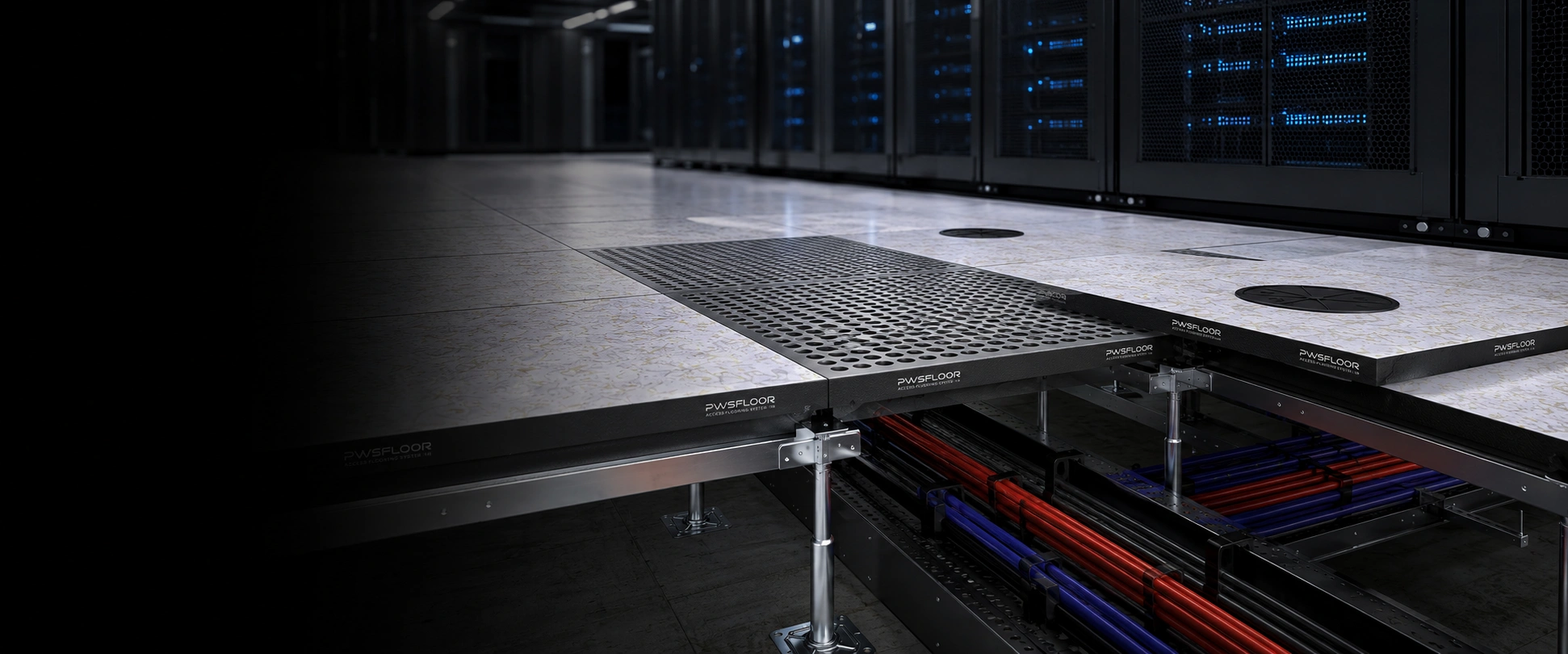
A raised access flooring system provides a practical solution for these requirements. It creates an accessible space beneath the finished floor, helping teams manage power cables, network connections, and other essential services without disturbing the main working area.
However, not every flooring system is suitable for every facility. The right choice depends on equipment loads, maintenance requirements, environmental conditions, and the long-term needs of the data center.
Why Is Raised Access Flooring Important for Data Centers?
Data centers contain servers, network racks, electrical connections, and other equipment that require careful planning. Traditional flooring can make cable management and future upgrades more difficult.
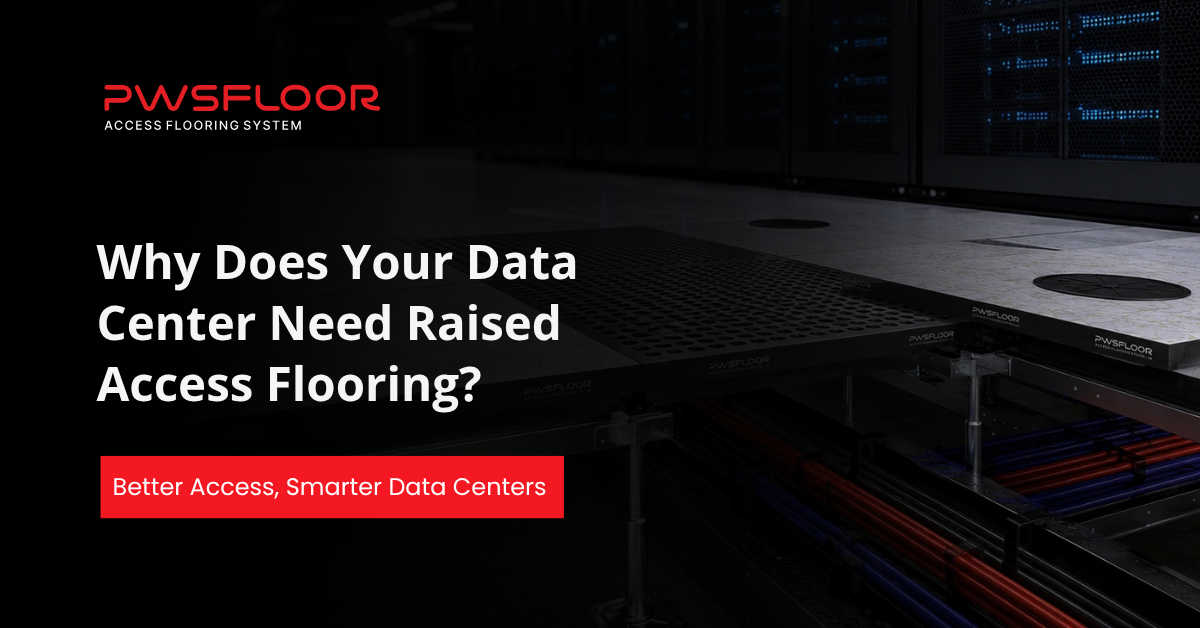
Raised access flooring addresses these challenges by creating an underfloor service space. This arrangement helps technical teams reach cables and connections more conveniently when changes or repairs are needed.
It also offers flexibility when a facility expands or its equipment layout changes. Instead of making major structural alterations, teams can plan adjustments around the existing flooring system.
For growing data centers, this flexibility can make everyday maintenance and future upgrades easier to manage.
Key Factors to Consider When Selecting Data Center Flooring
Data centers are constantly changing. New servers may be added, racks can be relocated, and additional power or network connections may be required.
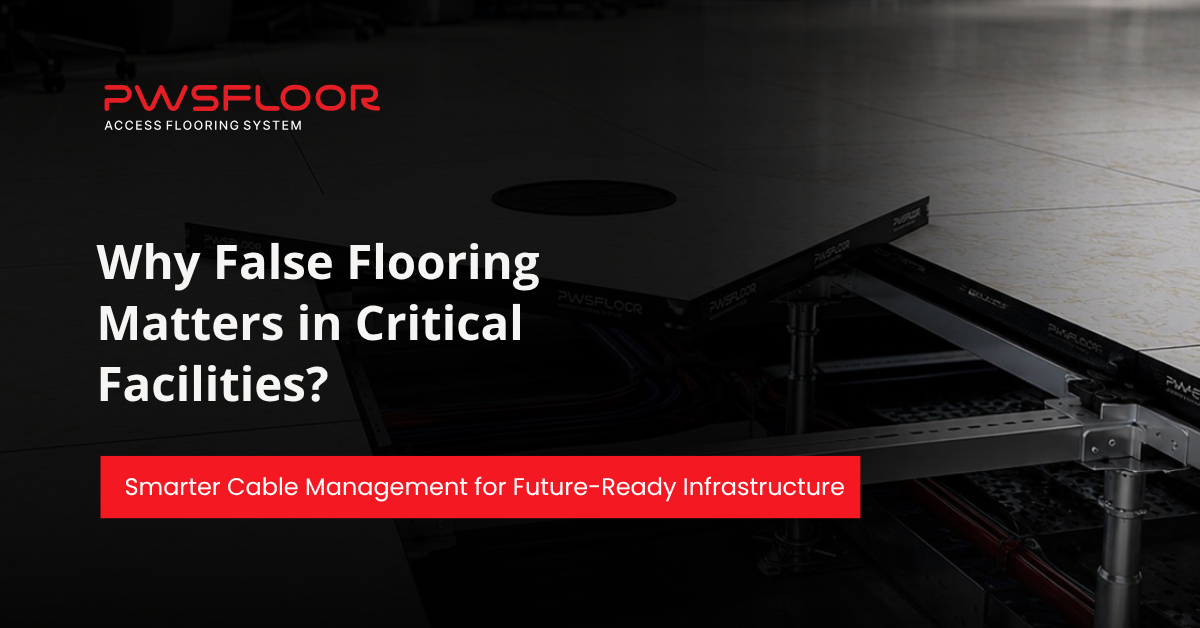
False Flooring Tiles can provide a practical way to support these changes. Individual panels can be lifted when access is required, allowing technicians to work beneath the floor and then replace the panels.
The same principle is valuable in control rooms. Control consoles, operator workstations, and monitoring equipment often require extensive cabling. With an appropriate Raised Floor System, these cables can be routed below the working area while keeping the visible floor space neat.
This can also be useful in airports, power plants, and other facilities where equipment layouts may change over time.
Load-Bearing Capacity
The flooring must support the weight of server racks, cabinets, and other equipment safely. Before selecting a system, consider both the overall load and the concentrated load applied by individual equipment supports.
The flooring panels, pedestals, and supporting structure should be selected according to the project’s engineering requirements. Proper load assessment helps reduce the risk of floor damage and supports reliable operation.
Material and Panel Strength
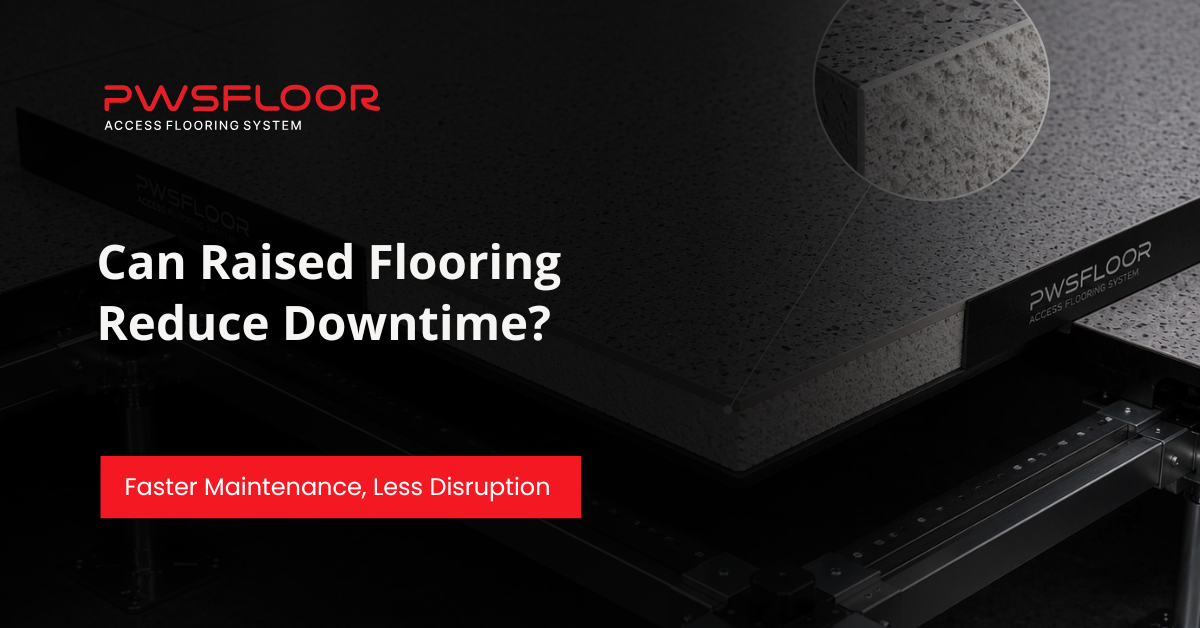
Raised access floor panels are available in different materials, including calcium sulphate and other engineered panel constructions. Each option offers different characteristics in terms of strength, weight, durability, and application suitability.
For data centers and control rooms, the material should be selected according to equipment loads, expected foot traffic, maintenance needs, and the required performance specifications.
PWSFloor’s 6000 Series, designed for demanding technical environments, is an option worth evaluating when planning flooring for data centers and control room applications.
Cable Management and Accessibility
Power and network cables are essential to data center operations. Poor cable organisation can make maintenance more complicated and increase the time required to identify or repair connections.
A raised floor creates space for routing and accessing underfloor services. The available floor height should be planned according to cable volume, access requirements, and the layout of the facility.
Good planning also helps ensure that maintenance teams can access the necessary areas without unnecessary disruption.
Anti-Static Performance
Static electricity can be a concern in environments containing sensitive electronic equipment. Flooring with suitable electrostatic performance can help manage static-related risks when selected and installed as part of an appropriate protection strategy.
When considering anti-static flooring, check the specified electrical resistance, testing standards, grounding arrangements, and compatibility with the facility’s requirements. The complete installation matters, not just the panel material.
Flexibility for Future Expansion
Data centers change as storage capacity increases, equipment is upgraded, and network requirements evolve. Flooring should allow practical access to underfloor services and support planned changes to the equipment layout.
Selecting an appropriate raised access floor system during the design stage can make future maintenance and expansion more manageable.
Choosing the Right False Flooring Manufacturer
Not every project has the same requirements. A data center may need high load capacity, while a control room may have different requirements for cable access and maintenance.
Working with an experienced False Flooring Manufacturer can help ensure that the flooring system is selected according to the actual application.
For example, PWS Floors provides raised access flooring solutions designed for applications where reliable infrastructure management and accessibility are important. The right system should not simply look good after installation—it should work effectively as part of the facility.

Conclusion
Choosing the right raised access flooring for a data center requires careful attention to load capacity, panel materials, cable accessibility, anti-static requirements, and future expansion.
A well-planned system helps simplify maintenance, keeps underfloor services accessible, and supports the changing needs of modern technical facilities.
Before making a decision, assess your equipment requirements, installation conditions, and long-term operational plans. With the right specifications and a suitable flooring partner, you can create a practical foundation for your data center’s continued growth.
Why PWS Floor?
In mission-critical environments, flooring is more than just a surface to walk on. False Flooring can play an important role in keeping cables organized, improving accessibility, and making future upgrades easier. From data centers and control rooms to airports and power facilities, a well-designed Raised Floor System provides the flexibility these spaces need.
Choosing the right False Flooring Tiles and working with an experienced False Flooring Manufacturer can help ensure the system meets the facility’s operational and load requirements. With the right Access Flooring solution, businesses can create infrastructure that is easier to maintain today and better prepared for tomorrow.
Frequently Asked Questions (FAQ)
What is raised access flooring in a data center?
Raised access flooring is a flooring system installed above the structural floor, creating an accessible space for cables and other underfloor services.
Which flooring material is suitable for data centers?
Calcium sulphate and other engineered panel materials may be suitable, depending on equipment loads, project specifications, and performance requirements.
Why is anti-static flooring important in data centers?
Suitable anti-static flooring helps manage electrostatic risks around sensitive electronic equipment when used with appropriate grounding and other protective measures.
How does raised access flooring improve cable management?
It provides an accessible space beneath the floor for routing and maintaining power and network cables, making future changes easier to plan.
How do I choose the right raised access flooring manufacturer?
Compare load-bearing specifications, panel quality, technical support, installation capabilities, and experience with data center or control room projects.